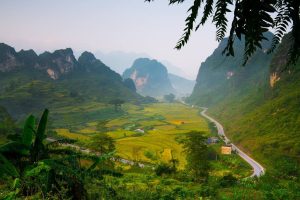
If your ideal Vietnam trip includes old stone houses, quiet mountain roads, local food, Khuoi ky stone village should be on your Cao Bang itinerary. This small cultural village in northern Vietnam feels peaceful, beautifully preserved, and wonderfully different from busy city attractions.
Tucked into Dam Thuy Commune in Trung Khanh District, Cao Bang Province, Khuoi Ky stone village is close to Ban Gioc Waterfall and other famous natural sights. It is a place where architecture, landscape, and Tay culture meet naturally. You can walk beside stone walls, stay in a traditional homestay, taste home-cooked food, and spend an evening wondering whether you should move permanently to the mountains.
This guide covers everything you need to know about Khuoi Ky stone village: Where it is, why it is famous, what to do, where to stay, what to eat, and how to travel responsibly.
1. Where Is Khuoi ky stone village?
Khuoi ky stone village is located in Dam Thuy Commune, Trung Khanh District, Cao Bang Province, in northeastern Vietnam. It sits on Provincial Road 206, roughly 2 kilometers from Ban Gioc Waterfall and just over 80 kilometers from Cao Bang City according to recent travel reporting.
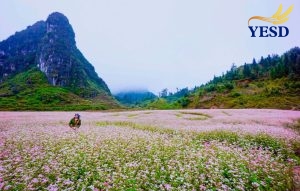
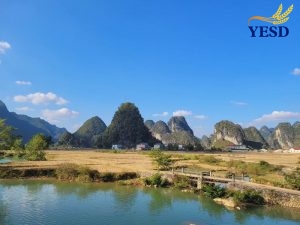
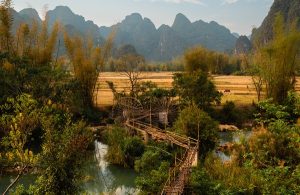
The village is surrounded by limestone mountains, forest, and a cool stream. Its position makes Khuoi Ky stone village an easy stop on a Cao Bang route that also includes Ban Gioc Waterfall, Nguom Ngao Cave, Quay Son River, and other landscapes in the Non Nuoc Cao Bang Geopark.
2. About the Architecture and Tay ethnic culture
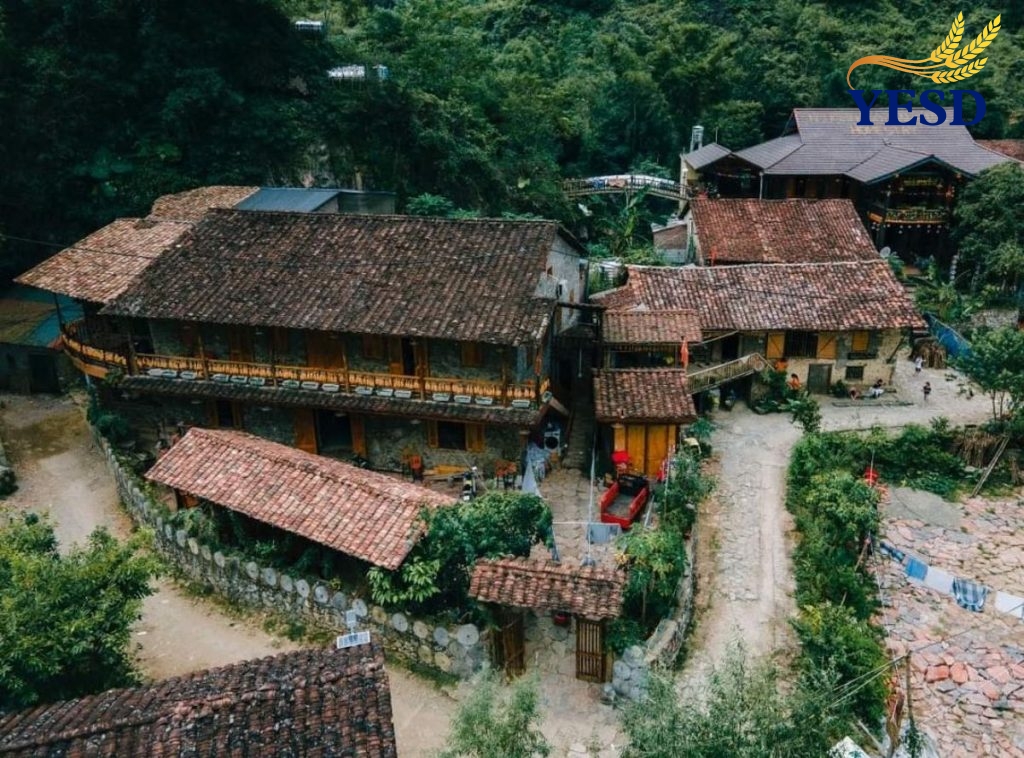
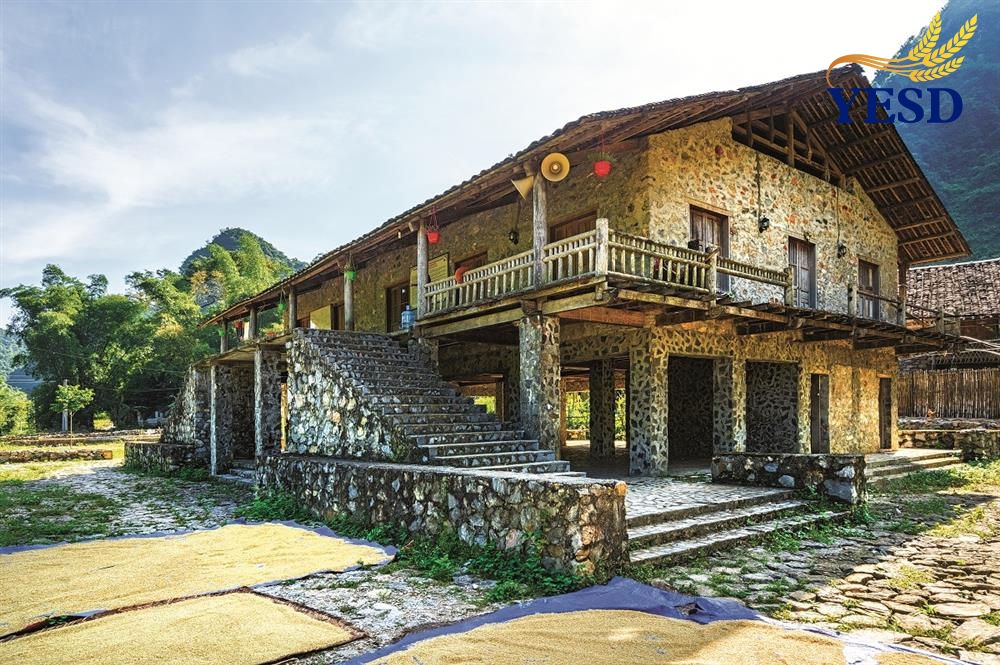
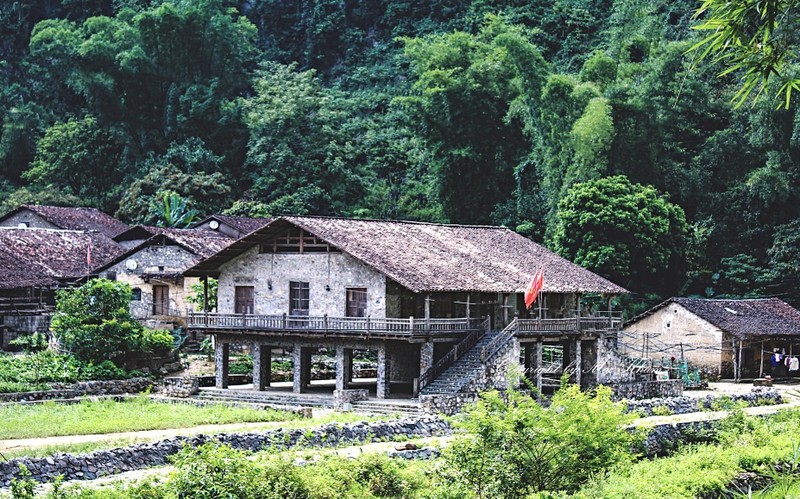
The village is best known for its traditional stone stilt houses. Unlike ordinary wooden stilt homes, these houses use local stone for walls and foundations and often feature traditional yin-yang roof tiles. The result is sturdy, atmospheric, and highly photogenic without needing a single decorative neon sign.
Khuoi ky village is also strongly connected to the Tay ethnic community. Local traditions, food, music, farming, and hospitality are important parts of the visitor experience. The Vietnam National Authority of Tourism describes the village as a community-based tourism destination where travelers can enjoy Tay cuisine, bamboo dancing, Then singing, Tinh-lute music, and hands-on rural activities.
A Village Shaped by Stone and Water
The name is linked to the cool stream at the village entrance. The village sits with mountains behind it and flowing water nearby, creating a naturally fresh environment throughout the year. Stone paths, stone walls, and old houses give the settlement a strong sense of place.
For me, the stream is especially charming because it adds a gentle soundtrack to the village. You can walk, pause, listen, and pretend you are in a wellness retreat—except the wellness treatment is mostly fresh air and walking shoes.
A Centuries-Old Tay Settlement
Published tourism sources describe the settlement as more than 400 years old, while recent reporting notes that its traditional stone houses were built around the 16th century. VietNamNet reports that the village includes 14 stone houses spread across approximately 10,000 square meters, with the population entirely Tay.
The village was recognized as a typical traditional cultural village of ethnic minorities in 2008. It later became a community tourism experience point connected with the Non Nuoc Cao Bang Geopark.
3. What Makes the Stone Houses Special?
The stone houses are the heart of Khuoi ky stone village. Built with carefully arranged local rock and roofed with traditional tiles, they show how architecture can respond to the mountain environment while preserving cultural identity.
Stone is more than a construction material here. According to the Vietnam National Authority of Tourism, local Tay beliefs view stone as a sacred object associated with protection for the community. That idea gives the houses an emotional meaning beyond their age or appearance.
Traditional Architecture to Notice
Look for thick stone walls, wooden structural elements, tiled roofs, raised living areas, courtyards, and low stone fences. The houses often sit naturally against the mountain landscape rather than trying to dominate it.
The best photographs usually include details: moss on the stone, patterned roof tiles, wooden doors, water flowing nearby, and smoke rising from a kitchen. The village does not need a dramatic filter. The village is already doing the work.
Why Yin-Yang Roof Tiles Matter
Traditional yin-yang tiles are a recognizable feature of northeastern Vietnamese architecture. Their dark, overlapping forms help create the old-world appearance that visitors notice immediately.
When you photograph a roof or enter a traditional home, remember that you are looking at part of someone’s living heritage. Ask permission before entering private spaces, and avoid climbing on walls or touching fragile structures for a better angle.
4. Is Khuoi ky village Worth Visiting?
Yes, especially if you prefer cultural experiences and quiet landscapes over crowded attractions. A visit to Khuoi ky village can be short, but staying overnight makes the experience much richer. You will have time to walk slowly, eat local food, talk with hosts, and see the village after day-trippers leave.
The village is also convenient because of its proximity to Ban Gioc Waterfall. You can visit both destinations on the same day, although I recommend allowing more time if you want to explore the area without rushing from one photograph to the next.
5. How to Reach khuoi ky cao bang
Travelers usually reach khuoi ky cao bang as part of a wider Cao Bang journey. From Hanoi, you can travel by sleeper bus, limousine, private car, or motorbike. From Cao Bang City, continue toward Trung Khanh and Dam Thuy Commune by road.
The final roads are scenic and pass through mountain landscapes, but travel times can change with weather, road conditions, and traffic. Download offline maps, carry some cash, and avoid planning every minute as if the mountains have agreed to follow your spreadsheet.
From Hanoi by Bus
An overnight bus from Hanoi to Cao Bang is often the most practical choice for budget travelers. After arriving in Cao Bang City, you can arrange a private transfer, local vehicle, motorbike rental, or guided tour to the Trung Khanh area.
This option saves energy for exploring. It also means you can arrive with your legs still functioning, which is a small but beautiful luxury before a day of waterfalls and caves.
From Cao Bang City by Car or Motorbike
A private car is comfortable for families, older travelers, and small groups carrying luggage. A motorbike provides more freedom and allows you to stop at viewpoints, villages, and roadside food stalls.
Only choose a motorbike if you have genuine experience on mountain roads. Wear a proper helmet, check the brakes and tires, and avoid riding after dark. The road may be adventurous, but your safety should not become the main attraction.
6. The Best Time to Visit Khuoi ky stone village
You can visit Khuoi ky stone village year-round, but the most comfortable months are usually during the drier and cooler periods of northern Vietnam. Spring and autumn are especially pleasant for walking, photography, and combining the village with Ban Gioc Waterfall.
Summer can bring warmer weather and rain, while winter may feel cool in the mornings and evenings. Check the forecast before traveling because mountain weather can change quickly and make roads slippery.
Spring and Autumn for Comfortable Exploring
Spring brings fresh greenery and pleasant temperatures. Autumn often offers clear light, cooler air, and beautiful conditions around the waterfalls and limestone mountains.
These seasons are excellent for travelers who want to walk through Khuoi Ky village, explore nearby attractions, and sit outside a homestay without negotiating with either heavy heat or dramatic rain.
Rainy Weather and Flexible Plans
Rain does not make the village unattractive. In fact, wet stone walls, misty mountains, and a fuller stream can create a very atmospheric scene. However, rain may affect mountain roads and outdoor activities.
Bring a light rain jacket, waterproof shoes or covers, and a flexible itinerary. If the weather cancels your plan, you can always eat more local food. This is not a failure; it is a culturally delicious alternative.
7. Things to Do in Khuoi ky stone village
The best activities in Khuoi ky stone village are simple, local, and connected to daily life. You do not need a long checklist. A walk, a meal, a conversation, and a quiet evening can be enough.
Walk Through the Stone-House Area
Take time to explore the lanes, stone walls, old houses, stream, and surrounding landscape. Walk slowly and notice how the architecture fits the mountain environment.
Khuoi ky village is ideal for relaxed photography. Capture the relationship between stone and water, old roofs and green hills, and people going about their daily routines. Ask before photographing residents, especially children or private family activities.
Stay in a Traditional Homestay
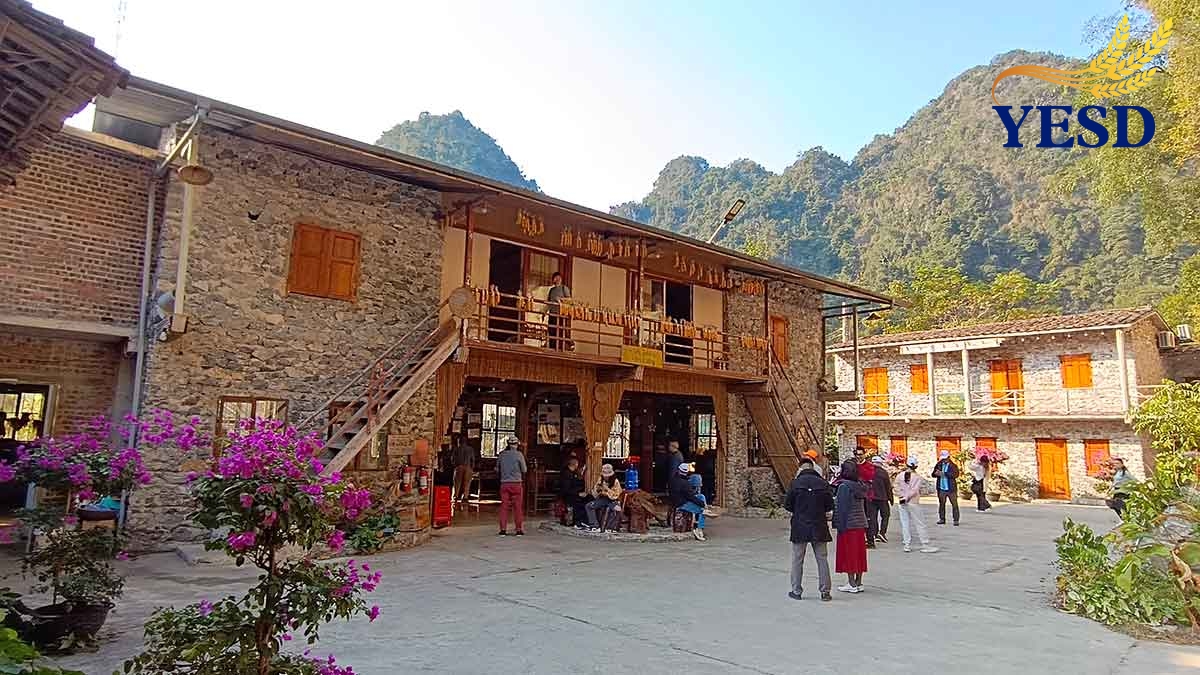
A homestay is one of the best ways to experience the village. Hosts may offer local meals, stories about Tay traditions, music, dance, and opportunities to participate in rural activities.
Recent reporting describes homestays with traditional stilt houses, private rooms, bungalows, and even a distinctive cave-style room built against a limestone cliff. Availability and prices vary, so contact the property before arrival, particularly for weekends.
Join Rural Activities
Depending on the season and host, you may be able to plant or harvest rice, collect vegetables, catch fish or shrimp, gather firewood, cook local dishes, or soak your feet in herbs. These activities help you understand the village as a living community rather than a museum.
You do not need to be an expert farmer. If your rice-planting technique looks slightly confused, the hosts will probably find it entertaining. Just listen carefully and follow their instructions.
Enjoy Tay Music and Dance
Some homestays and community groups arrange cultural performances such as bamboo dancing, Then singing, and Tinh-lute music. These traditions are meaningful expressions of Tay culture, not simply background entertainment.
Join respectfully, ask questions, and follow the host’s lead. If you are invited to dance, do your best. Nobody expects professional choreography, and the mountains have seen much worse footwork.
8. Nearby Attractions to Combine with the Village
Khuoi Ky stone village works best as part of a wider Cao Bang itinerary. The nearby attractions offer waterfalls, caves, rivers, mountains, and more opportunities to experience local culture.
Ban Gioc Waterfall
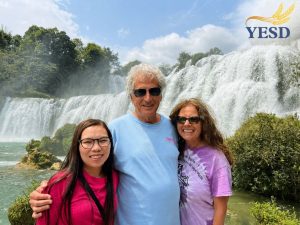
Ban Gioc Waterfall is the most famous attraction near the village and lies only a short distance away. The broad, tiered falls flow through a dramatic limestone landscape and are especially impressive when water levels are strong.
Visit early if you want softer light and fewer people. You can admire the falls from viewpoints or join a local bamboo-raft experience when available and safe.
Nguom Ngao Cave
Nguom Ngao Cave is a major limestone cave in the region, known for underground chambers and unusual rock formations. Its cool interior provides a pleasant contrast to a warm day outside.
Wear shoes with good grip, follow marked routes, and listen to your guide. Caves are beautiful, but they are not ideal places for racing your friends or testing whether your phone flashlight is actually useful.
Quay Son River
The Quay Son River adds calm water and reflective scenery to the Cao Bang landscape. Depending on local conditions, visitors may enjoy views, riverside photography, or boat-based experiences.
The river is especially beautiful when framed by green fields and limestone mountains. Take a moment to enjoy the view instead of photographing every angle at the speed of a news camera.
Non Nuoc Cao Bang Geopark
Khuoi Ky stone village is connected with the wider Non Nuoc Cao Bang Geopark, a region recognized for its geological landscapes and cultural heritage. A broader route can include villages, caves, waterfalls, rivers, and ethnic communities.
If you have several days, ask a local guide to build a route around your interests. The best itinerary may be different for a photographer, a family, a food lover, or a person whose primary travel goal is locating the strongest coffee in every district.
9. What to Eat in Khuoi ky village
Food is a major part of the Khuoi ky village experience. Tay cuisine is often rustic, seasonal, and closely connected to local ingredients. Homestay meals may include rice, vegetables, grilled meat, fish, bamboo-cooked dishes, and regional herbs.
Ask your host what is freshest that day. A shared meal is also an opportunity to learn about local customs and ingredients, so do not rush through it as if dinner is merely fuel for the next photograph.
9.1 Tay Home-Cooked Meals
Many homestays prepare meals for guests using family recipes and local produce. The dishes may be simple, but they often taste memorable because of the ingredients, setting, and warm hospitality.
Try a little of everything, ask about unfamiliar foods, and tell your host about dietary restrictions in advance. This makes the meal easier for everyone and avoids a dramatic conversation with a bowl of chili.
9.2 Local Specialties Around Cao Bang
Depending on your wider route, look for regional dishes such as roasted duck, sticky rice, grilled fish, smoked meats, bamboo rice, local sausages, and mountain vegetables. Cao Bang is also known for ingredients and dishes connected to its Tay, Nung, Dao, and other communities.
Food tastes best when you know where it comes from. Ask your guide or homestay host for recommendations instead of choosing a restaurant only because its sign is large enough to be seen from another province.
10. Where to Stay in khuoi ky cao bang
Accommodation in khuoi ky cao bang ranges from traditional homestays to private rooms and nearby hotels. Staying in the village gives you the most atmospheric experience, while staying in Trung Khanh or near Ban Gioc may offer more transport choices.
Book ahead during weekends, public holidays, and peak travel seasons. Please note that some local homestays can fill quickly, particularly those offering distinctive stone or cave-style rooms.
Experiencing the tranquil homestays in this region is an unique experience that loved by many travelers, myself included. These homestays each possess unique ethnic decoration style, offering visitors a more comprehensive understanding of Tay ethnic culture and lifestyle. Check our YESD’s list for a curated selection of homestays located in Khuoi Ky Stone Village:
– Khuoi Ky Eco Homestay
– Homestay A Sy – Food & Coffee
– Tay’s Homestay (Tay’s Home)
– Yen Nhi Ban Gioc Homestay
What to Expect from a Homestay
Expect a friendly, community-based stay rather than a standardized international hotel. Rooms may be in traditional houses or newer extensions, with shared spaces and meals arranged by the host.
Ask about bathrooms, hot water, air conditioning, meals, transport, and check-in times before booking. The more you know in advance, the less likely you are to discover that “authentic rural experience” means your phone has decided to retire.
10 How to Choose the Right Place
Choose a village homestay if you want culture, food, and easy access to the stone houses. Choose a nearby hotel if you prefer more privacy or need a convenient base for several day trips.
Read recent reviews carefully, but also remember that mountain accommodation may be intentionally simple. Cleanliness, hospitality, location, and respect for local heritage matter more than having a lobby large enough to host a small wedding.
11. A Suggested Two-Day Itinerary
On day one, travel from Cao Bang City toward Trung Khanh, visit Ban Gioc Waterfall, and continue to Khuoi Ky village for check-in. In the afternoon, walk through the stone-house area, visit the stream, and enjoy a Tay home-cooked dinner.
On day two, join a local activity such as cooking, farming, or a cultural performance. Then visit Nguom Ngao Cave and explore the Quay Son River before continuing to another Cao Bang destination or returning toward the city.
This itinerary gives you enough time to see the main highlights without treating the province like a scavenger hunt. The mountains deserve a slower pace, and so does your breakfast.
How Much Time Do You Need?
A quick visit to Khuoi Ky stone village can take two to three hours, especially if you combine the village with Ban Gioc Waterfall. However, one night is better if you want to experience local food, evening culture, and the quiet atmosphere after day visitors leave. In our Cao Bang loop tour in 4 days 3 nights, you will spend a night at Khuoi Ky Stone village, which allows you to truly experience life in this village as a local.
Travelers with more time should stay two nights and use the village as a base for the waterfall, cave, river, and wider geopark. This creates a more relaxed journey and gives you room for weather changes or unexpected invitations to eat something delicious.
12. What to Pack for the Trip
Pack comfortable walking shoes, breathable clothing, a light rain jacket, insect repellent, sunscreen, a reusable water bottle, basic medicine, and a small amount of cash. Mountain roads can be uneven, and weather can change quickly.
Bring modest clothing for village visits and cultural activities. A power bank is useful because photography and navigation can drain your phone faster than you expect. A dry bag protects electronics if you encounter rain or riverside activities.
You do not need to pack your entire home. The village has food, air, scenery, and enough stone to make your suitcase feel emotionally unnecessary.
Responsible Travel in Khuoi ky stone village
Respecting the community is essential in Khuoi ky stone village. Ask before entering homes, taking portraits, photographing ceremonies, or recording performances. Remember that residents are welcoming visitors into their everyday environment.
Do not climb on old walls, remove stones, touch fragile architecture, or leave rubbish near the stream. Use refillable bottles where possible, bring a reusable shopping bag, and follow your host’s guidance.
Spend money locally by choosing community homestays, eating local meals, hiring local guides, and buying authentic regional products. Responsible tourism helps preserve the village’s culture and gives residents a reason to continue caring for its heritage.
13. Final Conclusion
This ancient stone village is a beautiful reminder that travel does not always need to be loud, fast, or filled with giant attractions. Sometimes, the most memorable place is a small village with stone houses, a cool stream, mountain air, local food, and people willing to share a little of their daily life.
Visit Khuoi Ky village for the architecture, stay for the culture, and leave with a deeper appreciation for the Tay community and the landscapes of Cao Bang. Combine the village with Ban Gioc Waterfall and Nguom Ngao Cave, travel slowly, ask permission before taking photographs, and keep your plans flexible.
The best journeys through Khuoi ky village are the ones that leave space for conversation, curiosity, and one more bowl of dinner. If that sounds like your kind of adventure, Khuoi ky stone village is ready to welcome you—with stone walls, mountain views, and absolutely no pressure to answer your emails.
Frequently Asked Questions
Is Khuoi ky stone village open to tourists?
Yes. The village welcomes visitors as a community-based tourism destination. Some activities and homestays require advance arrangements, so contact a local host or tour operator before arriving.
How far is Khuoi Ky from Ban Gioc Waterfall?
The village is approximately 2 kilometers from Ban Gioc Waterfall according to the Vietnam National Authority of Tourism and other travel reporting. This makes Khuoi Ky stone village convenient to visit both attractions on the same route.
Can I stay overnight in the village?
Yes. Local homestays offer traditional houses, private rooms, bungalows, shared spaces, meals, and cultural experiences. Facilities vary, so confirm details before booking.
Is the village suitable for families?
Yes, particularly for families who enjoy nature, culture, and slower travel. Keep children supervised near streams, stone walls, roads, and uneven paths.
What are the best nearby attractions?
Ban Gioc Waterfall and Nguom Ngao Cave are the most popular additions. You can also explore the Quay Son River, nearby villages, and other parts of the Non Nuoc Cao Bang Geopark.