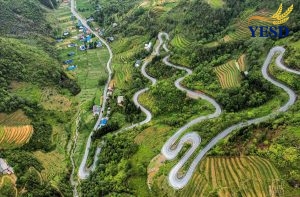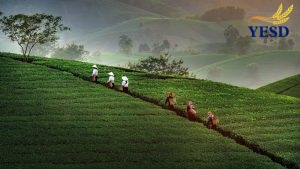
Let’s be real for a second, folks: everyone goes on and on about Ban Gioc Waterfall, Nguom Ngao Cave, and those jaw-dropping mountain roads when they talk about Cao Bang. And sure, the scenery is stunning, I cried a little, whatever. But nobody warned me that the actual love story of this trip would happen at the dinner table. Cao Bang food quietly stole my heart (and a good chunk of my suitcase space for “just a little” smoked sausage to bring home), and I’m not sorry about it one bit.
Book you Cao Bang Tour here!
Why Cao Bang Food Deserves Just as Much Hype as the Waterfalls
Here’s the thing about Cao Bang food— it’s not dressed up for tourists. This is the food that Tay, Nung, Dao, and Hmong families have been cooking for generations, long before anyone showed up with a camera and a “must-try local dishes” checklist. Every dish tells you something about mountain life here: what grows nearby, what the seasons allow, and what’s been passed down from grandmother to mother to daughter. Eating your way through Cao Bang isn’t just snacking — it’s basically a crash course in the region’s history and identity, served on a plate.
What Makes Cao Bang Food So Special
Before we get into the actual dishes (I know, I know, patience), let’s talk about why this food hits so differently.
A Melting Pot of Ethnic Flavors
Cao Bang is home to several ethnic communities, and each one brings its own techniques, spices, and traditions to the table. That means the food here isn’t one single “Cao Bang flavor” — it’s a whole layered mix, shaped by different cultures that have shared these mountains for generations.
Mountains, Seasons, and Ingredients That Actually Make Sense
The terrain here basically writes the menu. Because Cao Bang is so mountainous, local cooking leans heavily on preserved meats, wild herbs, bamboo shoots, freshwater fish, and sticky rice — ingredients that make sense for a place where the seasons and the landscape call the shots. Don’t expect fussy plating or fancy garnish; this is food built on freshness and honest flavor, not Instagram styling (though, let’s be honest, it photographs beautifully anyway).
Food That Feels Personal, Not Performative
Whether I was eating at a tiny market stall, a roadside spot, or someone’s homestay kitchen, the hospitality here felt so genuinely warm. Cao Bang Food isn’t just about filling your stomach — they’re an invitation into someone’s daily life, and that’s a pretty special thing to experience as a traveler.
Book you Cao Bang Tour here!
The Cao Bang Food You Absolutely Cannot Leave Without Trying
Okay, NOW we get to the good stuff. Here are the specialties that had me embarrassingly excited every single time a new plate showed up.
Pho Chua (Cao Bang Sour Noodles)
Okay, if you only remember one dish from this entire list, let it be this one, because pho chua might just be the most “extra” and glorious noodle bowl I’ve ever met. It’s a proud Cao Bang specialty, and honestly, it single-handedly adds a whole new chapter to the food culture of the northern mountains. This isn’t your average bowl of pho — it’s a full production. Think crispy-fried pork belly, crunchy fried strips of khoai tau (a big, starchy, sweet local tuber that basically only grows in Bac Kan and Cao Bang, so you can’t get this anywhere else), thinly sliced pork liver, cleaned and pre-boiled pork stomach that then gets fried, and slices of roast duck stuffed with fragrant spices — moc mat leaf included, because apparently this ingredient shows up everywhere in Cao Bang and I am not complaining. The noodles themselves are made from Cao Bang’s own fragrant rice, giving them a chewy, springy texture you genuinely can’t replicate anywhere else. Toss in some peanuts, herbs, cucumber, and fresh greens, and you’ve basically got a party in a bowl.
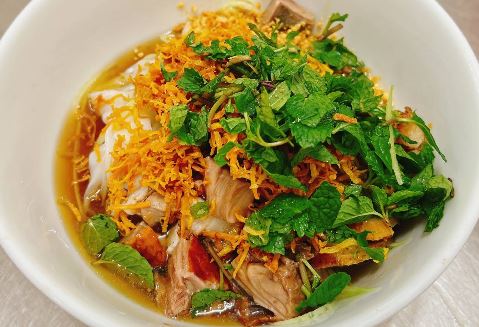
But here’s the real secret weapon: the sauce. Cooks fry garlic and shallots until fragrant, then mix in the flavorful drippings from inside the roast duck, season it to taste, and thicken it slightly with a touch of tapioca starch. When your bowl arrives, the golden rule is to toss everything together gently so the noodles soak up all that glorious sauce — just don’t get too aggressive or you’ll tear up the noodles (ask me how I know).
The flavor payoff is genuinely wild in the best way: rich duck fat, tangy vinegar, nutty peanuts and khoai tau, silky liver, savory pork belly and roast meat, that unmistakable moc mat fragrance, chewy noodles, and a little chili heat riding shotgun through it all. It’s served cold, which makes it an absolute favorite on cooler days, when a warm bowl of soup feels like a bit too much but you still want something deeply satisfying.
Traditionally, pho chua was the dish you’d find at weddings and family ceremonies, the kind of hearty, crowd-pleasing meal meant to send guests home properly full. These days, you’ll find it all over local eateries and market food stalls across Cao Bang, so you really have no excuse to skip it. Fair warning, though: your first bite might leave you a little confused about what’s even happening in your mouth (in the best way), but give it a second try and you’ll get why locals are borderline obsessed. That sweet-and-sour sauce, the chewy noodles, all of it — it’s the kind of dish that quietly lives rent-free in your memory long after you’ve left Cao Bang.
Lap Suon Cao Bang (Smoked Sausage)
This smoked sausage is basically the celebrity dish of Cao Bang, and honestly, it earns the title. It’s made from good cuts like loin, shoulder, or leg meat, finely minced and marinated with a blend of local spices — including moc mat leaves (a fragrant citrus-family leaf) and mountain ginger, which give it that unmistakable aroma. The mixture gets stuffed into casings, sun-dried for a few days, then hung over the kitchen fire to smoke slowly. The result is firm, deeply savory, and smells incredible in a way that’s genuinely hard to replicate anywhere else.
When you finally take a bite, you get a gentle sweetness from the meat, a touch of fat (not too much, don’t worry), and that signature smoky aroma mingling with the citrusy moc mat leaf. It’s the kind of thing you’ll want to eat immediately and also buy in bulk to bring home as gifts — I did both, no regrets. You’ll find it for around VND 200,000–600,000 per kilogram, and one of the best places to grab some is along Vuon Cam Street in Hop Giang Ward, near Cho Xanh (Green Market) in Cao Bang City.
Banh Cuon, Cao Bang Style
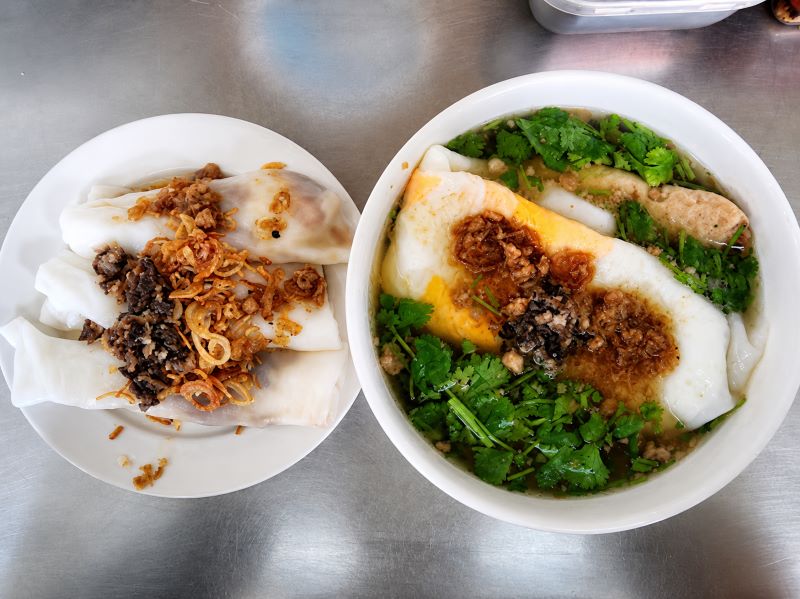
Banh cuon — those delicate steamed rice rolls — are practically a national treasure across Vietnam, but Cao Bang puts its own spin on the classic. Instead of the usual dipping sauce, locals here serve it with a bowl of hot, rich broth simmered from sweet bones, which turns the whole dish into something cozier and more comforting than the version you might already know.
And if you really want the full local experience, try it the way locals do — paired with pickled bamboo shoots and mac mat fruit (another citrusy local ingredient). It sounds like an unusual combo on paper, but trust me, it works, and it’s absolutely worth stepping outside your comfort zone for.
Vit Quay 7 Vi (Seven-Spice Roast Duck)
This roast duck is one of those dishes people specifically plan their Cao Bang trip around, and I get it now. The duck is marinated thoroughly in seven different spices, then roasted until the skin turns a gorgeous golden color and gets irresistibly fragrant, while the meat inside stays tender and naturally sweet.
What makes it so memorable isn’t just the beautiful color — it’s the balance. The spice blend and the duck’s natural richness work together so harmoniously that one bite tends to stick in your memory long after the trip ends. If you want to try it yourself, Dan Toc Quan restaurant is a solid recommendation for tasting this Cao Bang classic done right.
Ca Tram Huong (Agarwood-Scented Fish from Ban Gioc)
Found around Ban Gioc Waterfall in Trung Khanh District, this fish gets its poetic name from its diet — it feeds on the roots and decaying leaves of agarwood trees growing along the Quay Son and Bac Vong rivers, which gives the flesh a distinctive, almost fragrant quality you won’t find in ordinary fish.
The best way to enjoy it is grilled, since that method keeps the fish’s natural character front and center. Freshly caught, cleaned, and stuffed with herbs and spices like scallion, dill, and chili, the fish gets wrapped in banana leaf and grilled over charcoal until fragrant and cooked through. Pull off a piece, dip it in pure fish sauce, and you’ll get that smoky char alongside a subtle sweetness and a whisper of that signature agarwood scent. It’s genuinely unforgettable.
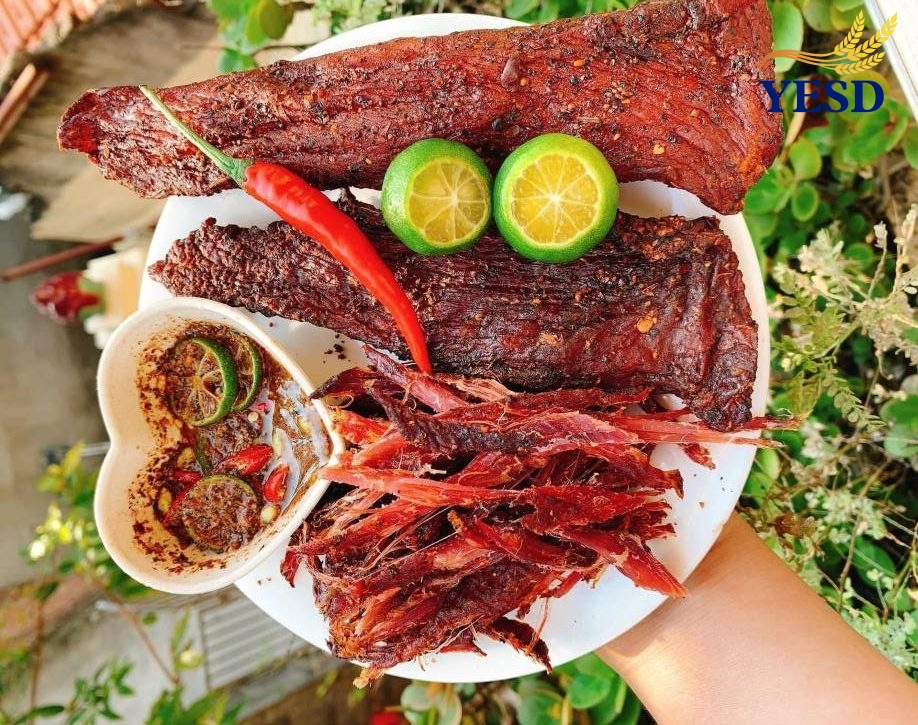
Bo Gac Bep (Smoked Dried Beef)
Cattle raising is a big part of life in districts like Ha Quang, Bao Lac, and Bao Lam, and while cows here are mostly kept for farm work, plenty of that beef also finds its way into the kitchen — specifically, hung over the fire to become bo gac bep, or smoked dried beef.
Any cut can technically be dried this way, but the best versions use lean, tender cuts like the rump or shank, sliced into pieces roughly two or three fingers wide and about a hand’s length long. The meat gets rubbed with salt, ginger juice, and — non-negotiably — a splash of white rice wine, with a few shallow cuts scored into the surface so the marinade really soaks in. After marinating, the strips are threaded onto fresh bamboo skewers and hung above the kitchen fire to smoke and dry slowly. It’s chewy, smoky, and packed with flavor — the kind of snack you’ll keep reaching for long after you’ve told yourself “okay, this is the last piece.”
Tips for Eating Cao Bang Food like a Local
- Head to local markets, not just restaurants — some of the best bites I had came from tiny stalls with no menu in sight.
- If you’re buying smoked sausage or dried beef to take home, ask about how long it keeps, since these are preserved specifically for travel.
- Don’t skip the “weird” combos, like banh cuon with pickled bamboo and mac mat fruit — Cao Bang locals know what they’re doing.
- Ask your homestay hosts what’s in season; a lot of the best dishes depend on what’s fresh that week.
- Bring an appetite and zero expectations of fancy plating — the flavor does all the talking here.
My final take on Cao Bang Food
Honestly, Cao Bang could have just given us the waterfalls and the caves and called it a day, and I still would have gone home happy. But the food? The food is what actually keeps replaying in my head weeks later. From smoky sausage to seven-spice duck to a fish that tastes like the forest itself, Cao Bang’s cuisine is proof that the best souvenirs aren’t always things you can pack in a suitcase — sometimes they’re flavors you spend the rest of your life trying to describe to people who weren’t there. Go hungry. Leave obsessed. That’s the Cao Bang way.
Book you Cao Bang Tour here!