Have you ever dreamed of embarking on a breathtaking journey through Vietnam’s northeastern landscapes? The route from Hanoi to Cao Bang promises an adventure that blends stunning natural beauty, rich cultural experiences, and off-the-beaten-path exploration.
Book your Hanoi to Cao Bang tour here!
Hanoi to Cao Bang: My Hilariously Honest Guide to Vietnam’s Wildest Mountain EscapeMy Cao Bang Loop Experience With A Detailed Travel GuideThe Cao Bang Loop: Vietnam’s Underrated Destination (Shhh, Don’t Tell Everyone)
Okay folks, grab your coffee (or your motion-sickness pills, no judgment) because we need to talk about the trip from Hanoi to Cao Bang. I went in expecting “pretty mountains,” and I came out the other side a slightly obsessed, slightly sunburnt, fully converted Cao Bang evangelist. If you’re planning this route, I’ve basically done the crying-on-a-bus, getting-lost-in-a-cave, eating-way-too-much-street-food research for you already. You’re welcome.
Why I Fell Head Over Hiking Boots for Cao Bang
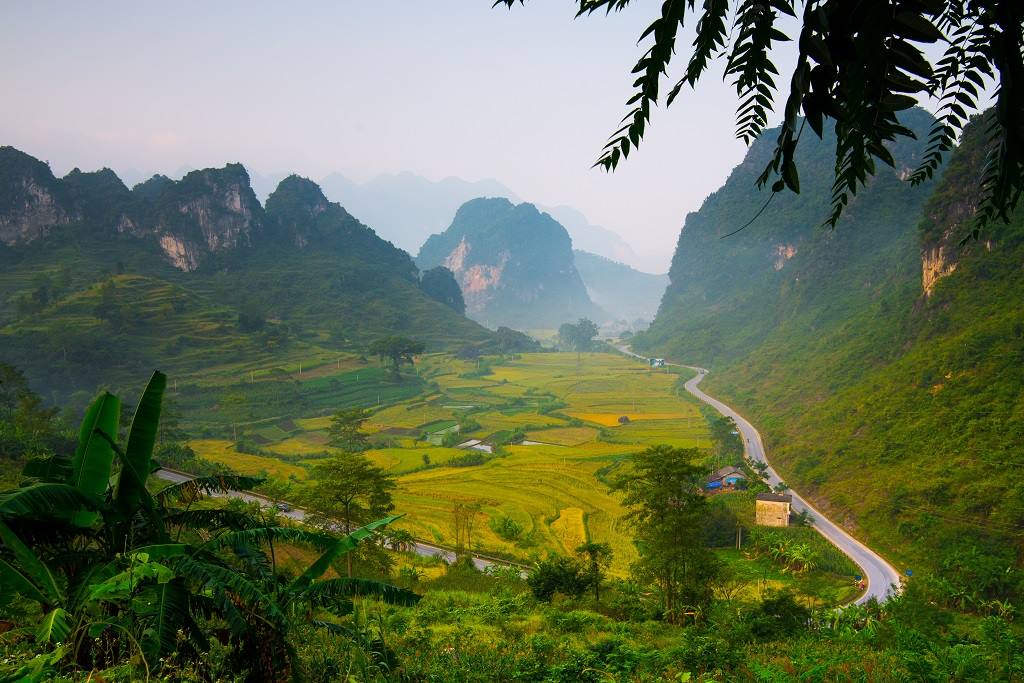
Picture this: limestone mountains stacked up like nature got a little dramatic, waterfalls the size of small countries, and villages where life moves at the speed of “why rush, honestly?” That’s Cao Bang. It sits roughly 270 kilometers north of Hanoi, tucked into Vietnam’s far northeast corner, and it somehow still flies under the radar compared to places like Sapa or Ha Giang. Which, honestly, is great news for us — fewer crowds, more “wow, is this real life” moments.
Quick Cao Bang 101 (Because You’re Busy, Girl)
Before you book anything, let’s get you oriented. I promise this is the fun kind of homework.
Where Exactly Is This Magical Place?
Cao Bang is a mountainous province bordering China to the north and east, with Ha Giang and Tuyen Quang keeping it company to the west, and Bac Kan and Lang Son rounding things out to the south. Translation: it’s remote, it’s rugged, and it is absolutely packed with karst mountains, caves, waterfalls, and lakes that will wreck your camera roll (in the best way).
Who You’ll Meet Along the Way
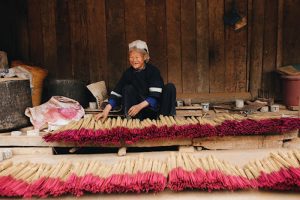
One of my favorite parts of this trip wasn’t even the scenery — it was the people. Cao Bang is home to a beautiful mix of ethnic minority communities, including the Tay, Nung, H’mong, Dao, and San Chi. Each group brings its own traditions, clothing, and way of life to the table, so this isn’t just a “look at pretty mountains” trip. It’s a genuine window into cultures that have been thriving in these hills for generations.
When Should You Actually Go? (Spoiler: It Depends on Your Vibe)
Real talk: Cao Bang doesn’t really have a bad season, which is the kind of low-stakes decision-making I can get behind. But each season has its own personality, so let’s break it down like we’re choosing outfits for different moods.
Spring Vibes (February to March)
Cool, mild, and hovering around 20°C — basically the “I still want to wear a cute jacket” season. This is prime time for trekking and cycling, with wildflowers blooming and everything looking impossibly green. If you’re the outdoorsy type, mark this one down.
Summer Storms and Waterfall Glory (April to August)
Temperatures climb to a toasty 25–35°C, and here’s the trade-off: the waterfalls (looking at you, Ban Gioc) are at their absolute fullest and most dramatic. But July and August can bring heavy rain and thunderstorms, so check the forecast before you commit, unless you enjoy surprise puddle-jumping.
Golden Autumn Perfection (September to October)
If you ask me — and you kind of are, since you’re reading my blog — this is the season. The weather calms down, buckwheat flowers bloom, and the rice fields turn this unreal golden color. It’s the “main character energy” season of Cao Bang.
Cozy Foggy Winter (November to January)
Cold, foggy, and dry, with daytime temps between 10–18°C dropping to around 5°C at night. Pack layers, because it gets genuinely chilly. Still a solid time for outdoor adventures if you don’t mind bundling up like a burrito.
How to Get From Hanoi to Cao Bang (The Main Event)
Okay, THIS is the question you actually clicked on this article for, so let’s not waste any more time. There’s no train up here (I know, I mourned too), so your options come down to car, motorbike, local bus, limousine, or taxi. All of them cover roughly the same 280 kilometers and take somewhere between 6 and 8 hours, but the vibe — and the price tag — is very, very different depending on which one you pick. Let me break it down like I’m talking you through it over coffee.
Book your Cao Bang Loop tour from Hanoi here!
Option 1: Private Car — The “I Just Want to Be Comfortable” Choice
Distance: ~280km | Time: 6–7 hours | Cost: VND 3,800,000–5,000,000 (~USD 145–190)
If you like your road trips air-conditioned, spacious, and stop-whenever-you-feel-like-it, a private car is your best friend. No transfers, no sharing your seat with a stranger’s giant backpack, and total flexibility to pull over for a photo op (or a bathroom break, no shame). It’s especially great if you’re traveling as a group or family, because you get to actually be together instead of scattered across bus seats.
The catch? It’s the pricier end of the spectrum, and even in a private car, the mountain sections can get winding and occasionally congested, so don’t expect to shave much time off the journey just because you paid more.
Book your Hanoi to Cao Bang tour here!
Option 2: Motorbike — For My Fellow Adventure Folks
Distance: ~280km | Time: 6–7 hours | Cost: VND 300,000–350,000/day (~USD 11–13) for rental, fuel not included
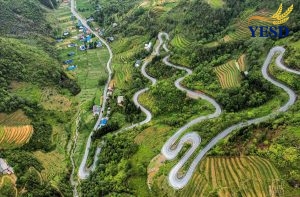
Okay, I have to be honest — this is the option that makes my heart do a little happy flip. Riding your own motorbike from Hanoi to Cao Bang, usually along National Route 3 (QL3) through Bac Kan, means you get to stop whenever the scenery grabs you by the shoulders and says “look at me.” Rural villages, terraced rice fields, winding mountain passes — it’s the most “main character in a travel movie” way to do this trip, and it’s easy on the wallet too.
But let’s not romanticize it too hard. The road includes steep climbs, sharp bends, and the occasional gravel surprise, so this really is for confident, experienced riders — not a “first time on two wheels” situation. Weather can mess with visibility during the rainy months, and repair shops aren’t exactly lining the route, so pack basic tools and spares just in case. This one’s best for adventure seekers and culture lovers who want to actually mingle with local communities along the way, not just wave from a bus window.
Before you go, make sure your bike is in solid condition, keep your license and documents on you, and gear up properly — helmet, gloves, and shoes that can handle more than flip-flops. Offline maps are non-negotiable since signal gets spotty, and always keep water and snacks within reach.
Option 3: Local Bus — The Budget Bestie
Distance: 280km | Time: 6–8 hours | Cost: VND 170,000–290,000 (~USD 7–12)
This is the classic backpacker move, and honestly, I respect it. Buses depart from major Hanoi stations like My Dinh, Giap Bat, and Nuoc Ngam, running with operators such as Khanh Hoan, Cao Bang Express, and Thanh Ly, generally between 5:00 AM and 9:00 PM. Frequent departures, air-conditioned seating on the newer buses, and a price that won’t make your wallet cry — what’s not to like?
A few honest heads-up moments, though: staff may not speak much English, so a translation app is your new best friend. Traffic can stretch out your travel time, luggage space is limited (pack light, queens), and even the sleeper buses don’t quite match the comfort of a private car. Still, if you’re traveling solo or watching your budget, this is a completely solid, no-fuss way to get there.
Option 4: Shuttle Bus / Limousine From Hanoi to Cao Bang
Distance: ~280km | Time: 6–7 hours | Cost: VND 250,000–400,000 (~USD 9.60–15.40)
Think of this as the happy medium between a bus and a private car. Limousine and shuttle services offer roomier, more modern seating, smoother rides, and fewer stops, so you get there a little faster and a lot more relaxed. It’s a favorite for business travelers or anyone who just wants a comfier journey without paying private-car prices.
Just know it costs more than a local bus, seats can sell out fast (especially in peak season), and departures are less frequent — so book ahead rather than winging it.
Option 5: Taxi — When You Just Want Door-to-Door and Zero Stress
Distance: ~280km | Time: 6–7 hours | Cost: VND 2,800,000–5,600,000 (~USD 107–215)
This is the “I have somewhere to be and I want zero complications” option. Door-to-door, air-conditioned, and entirely on your schedule — taxis are ideal if you’re short on time, traveling with a mountain of luggage, or just really value privacy. It is, unsurprisingly, the most expensive way to make the trip, and you’re still subject to the same traffic as everyone else on the road. But for comfort and convenience, it’s hard to beat.
So… Which One Should You Pick?
Honestly? It depends on your travel personality. Budget backpacker energy → local bus. Want comfort without breaking the bank → limousine. Traveling with family or a full squad → private car. Adventurous solo soul who wants the wind in her hair → motorbike. Zero time to spare and money to spend → taxi. There’s no wrong answer here, just different flavors of the same beautiful journey.
Tips for a Smoother Ride from Hanoi to Cao Bang
- Skip the rainy season (July–September) if you can — landslide risk is real up in these mountains.
- Traveling in winter? Pack warm layers and gloves, especially on a motorbike, since fog and slippery roads are common.
- Always carry snacks and water, particularly if you’re self-driving from Hanoi to Cao Bang.
- Bring a power bank and cash — ATMs and phone signal can both disappear on you in remote stretches.
- Roads around Thai Nguyen and Bac Kan get mountainous fast, so drive extra carefully at night or in the rain.
- Book your seat (bus, limousine, or car) a few days ahead during peak season, because everyone else has read this blog too, apparently.
Attractions You Cannot Skip in Cao Bang
Now for the fun part. Here’s everywhere I dragged myself (happily) to see.
Pac Bo Special National Relic Site
Located in Truong Ha Commune, Ha Quang District, this spot is where President Ho Chi Minh lived and organized revolutionary activities during Vietnam’s independence movement. The entrance fee is a very reasonable VND 25,000, and the site still preserves real evidence of that era. Give yourself about half a day here — the campus is spacious, and you’ll want time to wander past Lenin Stream, Karl Marx Mountain, Pac Bo Village, Coc Bo Cave, and Ly Quoc Sung’s house.
Ban Gioc Waterfall
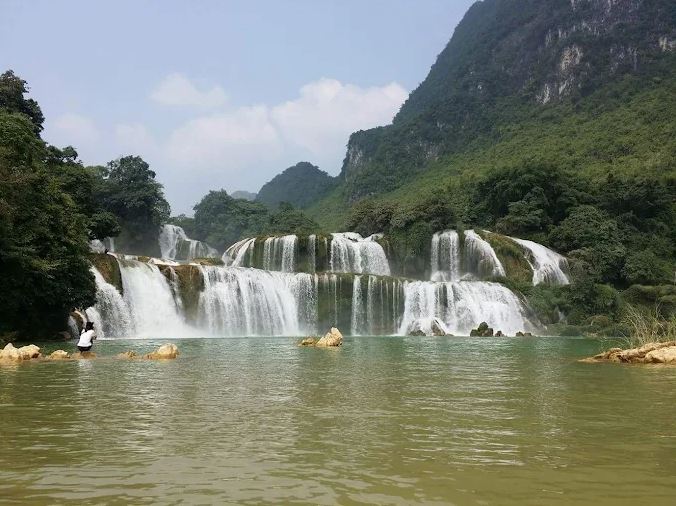
Located in Dam Thuy Commune, Trung Khanh District (sightseeing fee VND 45,000), this is genuinely one of the most jaw-dropping waterfalls I’ve ever stood in front of — and it’s one of the largest waterfalls in the world, straddling the border between Vietnam and China. September and October are the sweet spot for visiting, when the flow is strong but the weather cooperates.
Nguom Ngao Cave
Also in Dam Thuy Commune (entrance fee VND 45,000), this cave system stretches over 2,144 meters and has three entrances: Nguom Ngao, Nguom Lom, and Ban Thuon. The central chamber is the showstopper, packed with dramatic stalactites and stalagmites that make you feel like you wandered onto a movie set.
Thang Hen Lake
Sitting 1,000 meters above sea level and ringed by karst mountains, this lake is basically made for a peaceful boat ride and some seriously good photos.
Quay Son River
This river flows in from China’s Guangxi Province and winds through Cao Bang past bamboo groves, golden rice fields, and grazing buffalo. Kayaking, boating, or canoeing here is one of the most relaxing things you can do on this trip — 10/10 recommend for a slower-paced day.
Mat Than Mountain (Thung Mountain)
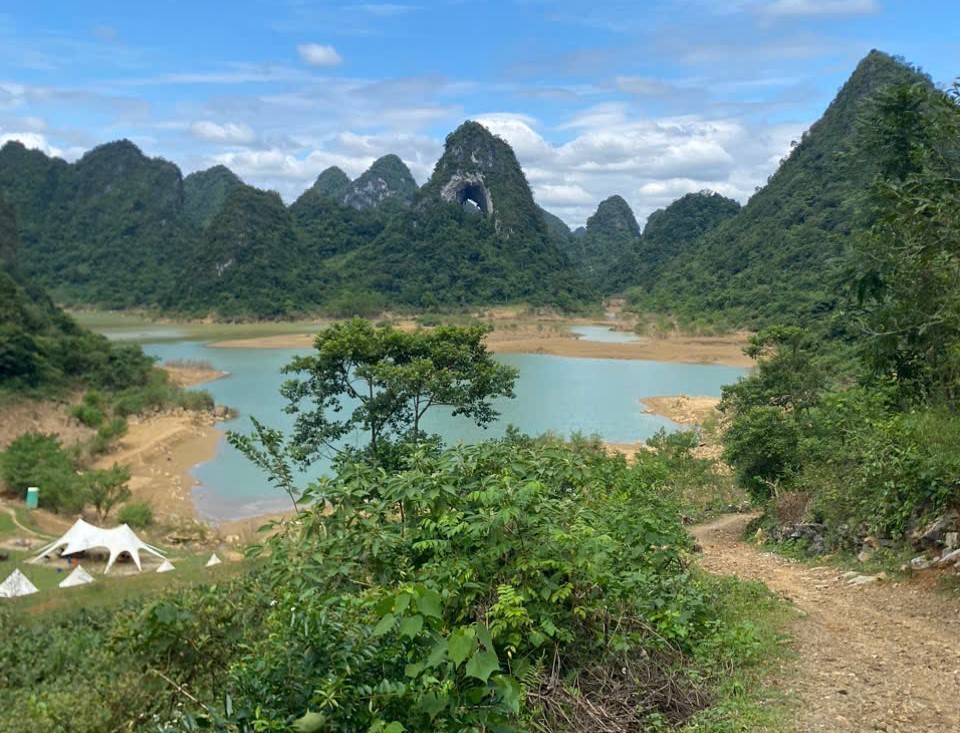
Located in Quoc Toan Commune, Tra Linh District, about 39 kilometers from Cao Bang’s city center, this mountain gets its nickname “Thung Mountain” from a circular hole that looks like an eye piercing straight through the rock. Surrounded by wide green valleys, it’s wild, peaceful, and low-key underrated.
What to Eat in Cao Bang
You cannot come all this way and skip the food — that would be a crime. Cao Bang’s local specialties reflect its highland roots, so keep an eye out for hearty, rustic dishes made with local ingredients, plus the kind of street snacks that taste better because you’re eating them with a mountain view. Ask locals or your homestay hosts for their favorite spots — some of my best meals here came from tiny stalls with zero signage and maximum flavor.
Where to Sleep in Cao Bang
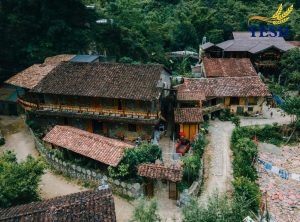
Accommodation options here range from simple guesthouses and homestays with local families to more comfortable hotels in Cao Bang city. If you want the full cultural experience, a homestay in one of the ethnic minority villages is honestly worth it — you get home-cooked meals, genuine hospitality, and stories you won’t find in any hotel lobby.
My Final Thoughts
So, is the trip from Hanoi to Cao Bang worth it? A thousand times yes. It’s not the easiest place to reach, and your legs might complain after a day of cave-exploring and waterfall-chasing, but Cao Bang gives you something a lot of more “polished” destinations can’t: a genuine, slightly wild, deeply beautiful corner of Vietnam that still feels like a discovery. Pack your curiosity, bring snacks for the road, and go fall in love with this place the way I did.
Book your Hanoi to Cao Bang tour here!