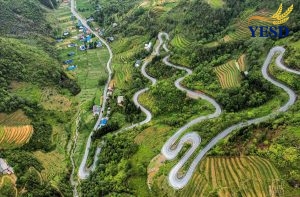
Cao Bang is famous for dramatic waterfalls, winding mountain roads, and landscapes that make your phone camera work overtime. Yet beyond the headline attractions lies a quieter destination where rice fields, limestone mountains, village homes, and a gentle river come together in one remarkably peaceful landscape.
Phong Nam Valley feels less like a sightseeing stop and more like a deep breath. It is the kind of place where the loudest thing may be a stream, a bird, or your travel companion saying, “Wait, take one more photo of me.” The valley offers peaceful scenery, slow travel, and plenty of reasons to put your phone down—after taking approximately 400 photos, naturally.
Book you Cao Bang loop tour here!
Where Is Phong Nam Valley?
Location in Cao Bang Province
Phong Nam is a borderland commune in Trung Khanh District in northern Cao Bang. It lies roughly 6–7 kilometers from Trung Khanh town and around 70 kilometers from Cao Bang City, making it a manageable addition to a wider Cao Bang adventure.
Travelers coming from Hanoi should expect a long road journey of several hundred kilometers. The trip takes time, but the scenery improves dramatically as the city fades away and the mountains begin appearing like enormous green-and-gray storybook characters.
Book your Cao Bang Tour here!
A Valley Shaped by River and Agriculture
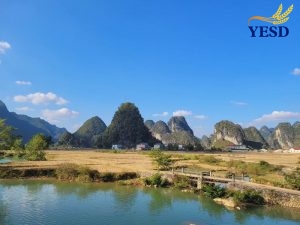
The Quay Son River winds through the area, passing rice fields, small villages, and mountain scenery. The landscape is strongly connected to farming, and the valley’s calm beauty comes from this relationship between people, water, and cultivated land.
What Makes the Valley So Beautiful?
Limestone Mountains and Open Rice Fields
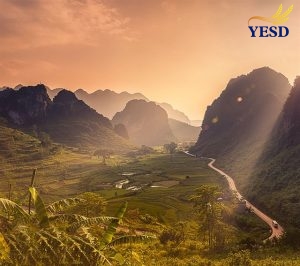
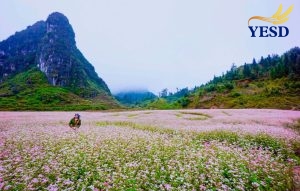
From an elevated viewpoint, you can see a broad valley dotted with rice paddies, fruit trees, small houses, and distant peaks. The scenery is open without feeling empty, peaceful without becoming boring, and photogenic without demanding a professional camera crew.
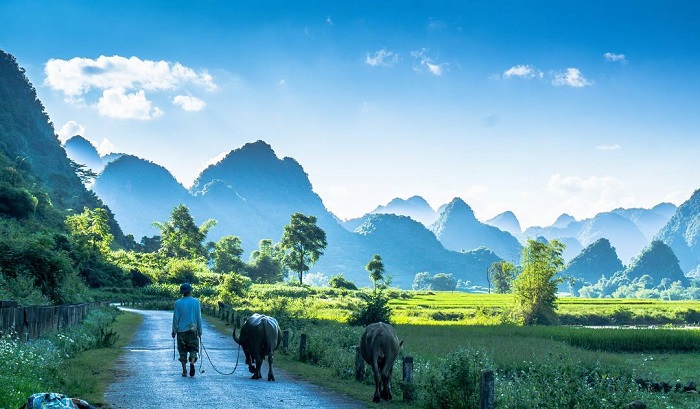
The Quay Son River
The river is one of the defining features of the landscape. Its gentle curves create natural reflections, frame the rice fields, and offer a soothing soundtrack for walks through the countryside.
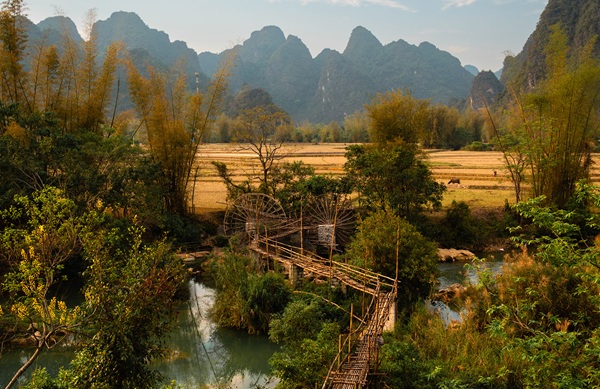
Water Wheels Along the River
Traditional water wheels, known locally as cọn nước, help move water toward agricultural fields. These simple structures are practical, charming, and surprisingly entertaining to watch. They also make excellent subjects for photographs, especially when the light is soft in the morning or late afternoon.
A Landscape That Changes With the Weather
On a clear day, the valley appears bright and spacious. When mist settles over the mountains, the atmosphere becomes dreamy and cinematic. Clouds drifting between the peaks can make the entire scene look like a fantasy film set—only with more rice and fewer dragons.
Best Things to Do in Phong Nam Valley
1. Walk Through the Rice Fields
A countryside walk is one of the simplest and most rewarding ways to explore the area. Follow local roads and paths, observe farming life, and enjoy the changing views of mountains, water, and village homes.
Early morning is especially beautiful. The air is cooler, the light is gentle, and the rice fields may be covered with a delicate layer of mist. It is also the best time to look awake in photographs, even if your body strongly disagrees.
2. Cross the Bridge Over the Quay Son River
A bridge across the river provides a memorable viewpoint over the valley. From here, you can watch the water flow between the fields and see the mountains rising in the distance.
Pause for a while rather than treating the bridge as a quick photo stop. The scenery rewards patience, particularly when clouds move across the peaks or sunlight begins to warm the fields.
3. Hike to a Panoramic Viewpoint
A viewpoint above the valley is ideal for wide landscape photographs. Depending on the route and conditions, the walk may take around 30–45 minutes along a local trail.
What to Bring for the Viewpoint Walk
Wear shoes with good grip, carry water, and bring a light jacket if you plan to start early. The trail may feel easy in photographs, but hills have a well-known habit of becoming steeper once you are halfway up them.
4. Visit Thoong Sao Waterfall
Thoong Sao is a small, tranquil waterfall associated with the Quay Son River. Its clear, blue-green water and surrounding grass make it a pleasant place for a short break, a picnic, or a quiet afternoon outdoors.
The waterfall is not necessarily about dramatic scale. Its appeal lies in its calm atmosphere, natural color, and the feeling that you have discovered a peaceful corner away from crowded attractions.
5. Photograph the Golden Hour
The rice fields, riverbanks, and mountain slopes become especially attractive during golden hour. Sunrise brings soft light and mist, while sunset creates warmer tones across the valley.
A wide-angle lens can help capture the full landscape, but do not worry if you only have a phone. The valley is generous with good compositions, and even a camera roll full of accidental fingers cannot completely ruin the view.
6. Try a Gentle Picnic
A small picnic beside a scenic viewpoint or near the fields can turn a simple visit into a memorable travel experience. Bring local snacks, water, and all rubbish back with you. The valley already has enough natural decoration; it does not need your empty packaging adding modern art.
When Is the Best Time to Visit?
Spring: Fresh Air and Seasonal Color
Spring, generally from March to May, brings mild weather, fresh greenery, and blooming flowers. It is a comfortable season for walking, trekking, and photography, especially for travelers who prefer outdoor activities without intense heat.
Summer: Lush Landscapes and Rainy Conditions
From June to August, the countryside can look intensely green. However, rain may make trails slippery and roads more difficult to navigate. Check the forecast before setting out, and pack waterproof layers if you decide to travel during this period.
Autumn: Golden Rice Fields
September and October are among the most appealing months for Phong Nam Valley, particularly when the rice fields turn golden. The contrast between yellow paddies, blue-green water, and dark limestone mountains creates the classic northern Vietnam landscape many travelers hope to see.
Sunrise or Sunset?
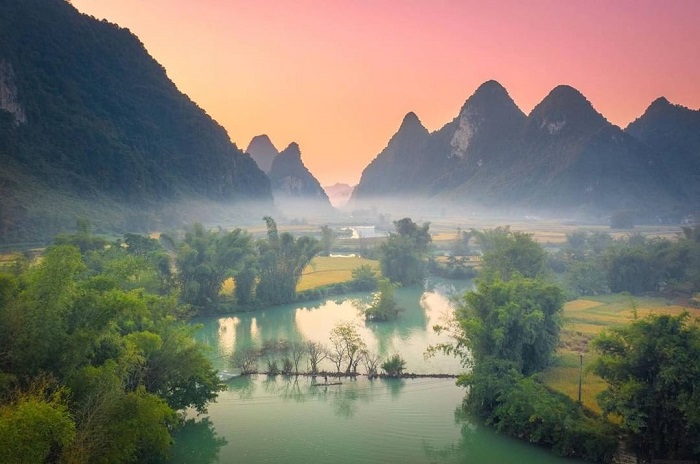
Choose sunrise for mist, quiet paths, and cooler air. Choose sunset for warm colors and a more romantic atmosphere. If you choose both, congratulations: you have officially made photography your full-time job for the day.
How to Get to Phong Nam Valley
From Hanoi
The journey from Hanoi is long and is commonly completed by road through northern Vietnam. Many travelers first reach Cao Bang City or another regional base before continuing toward Trung Khanh and Phong Nam.
Because travel times vary with road conditions, stops, and transport schedules, confirm the route locally before departure. A flexible itinerary is helpful; mountain roads do not always share the same enthusiasm for punctuality as city trains.
From Cao Bang City
From Cao Bang City, the drive to Phong Nam is approximately 70 kilometers and may take around 1.5 hours in favorable conditions. A private car, local driver, or motorbike offers flexibility for stopping at viewpoints and villages along the way.
By Motorbike, Car, or Local Bus
A motorbike suits confident riders who enjoy scenic roads and spontaneous stops. A car with a local driver is more comfortable for groups and can reduce navigation stress. Local buses may be more affordable, but schedules and final drop-off points should be checked in advance.
Local Culture and Food Experiences
Meet the Tay Community
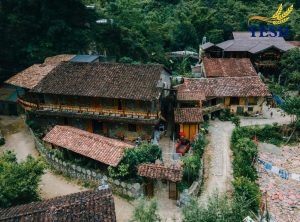
Phong Nam is home to Tay people and other local communities with long-standing cultural traditions. A respectful visit may include observing village life, learning about farming practices, or speaking with hosts through a guide or homestay.
Taste Regional Specialties
Local meals may feature sticky rice, smoked or dried meats, seasonal vegetables, corn wine, and other northern Vietnamese specialties. The best food experience is often a simple meal prepared by a local host rather than a complicated restaurant order.
Travel Etiquette at a Homestay
Ask before photographing people or private homes, follow household customs, and accept hospitality graciously. You do not need to eat every spoonful offered, but announcing that you are “too full” while reaching for more rice sends a confusing message.
Practical Tips for a Better Visit
Start Early
Early mornings offer cooler temperatures, softer light, and quieter paths. They are excellent for landscape photography and peaceful walks.
Pack for Changing Conditions
Bring water, sun protection, rain gear, comfortable walking shoes, and a small first-aid kit. Weather in the mountains can change quickly, so layering is a smart choice.
Keep the Valley Clean
Use reusable bottles where possible, avoid leaving food waste behind, and stay on appropriate paths. Responsible travel helps protect the scenery that makes the area special.
Allow Extra Time
Do not plan every minute. The best moments may happen while stopping beside the river, chatting with a host, watching a water wheel, or discovering a view that was not marked on your original itinerary.
Is Phong Nam Valley Worth Visiting?
Absolutely—especially if you enjoy nature, photography, quiet roads, and destinations that do not feel overly commercialized. Phong Nam Valley may not offer a long list of grand attractions, but its charm comes from the complete landscape: river, fields, mountains, villages, mist, and everyday life.
Wrap-Up Conclusion
Phong Nam Valley is a peaceful reminder that travel does not always need a packed schedule or a famous landmark every thirty minutes. Sometimes the most rewarding experience is walking beside a river, watching rice fields change color, meeting local people, and letting the mountains do the storytelling.
Come for the scenery, stay for the calm, and leave with a camera full of photographs and a slightly improved relationship with slow travel. Phong Nam Valley is not trying to shout for attention—and that may be exactly why you will remember it.
Book you Cao Bang loop tour here!